
Contrary to popular belief, a timeless wardrobe isn’t built by collecting a specific list of ‘classic’ items. It’s built by developing the critical skill to analyze a garment’s real value, lifespan, and personal relevance before you ever make a purchase. This guide shifts your focus from passively following trends to actively becoming a long-term wardrobe architect, saving you money and drastically reducing your fashion footprint.
There’s a familiar, sinking feeling that comes with staring into a closet overflowing with clothes, yet having “nothing to wear.” It’s the quiet shame of a garment worn only once, a purchase driven by a fleeting online aesthetic that now feels alien. This cycle of buy, wear, and regret is the engine of the fast fashion industry, an industry built not on lasting style, but on the manufactured urgency of micro-trends.
The common advice is to “invest in classics” or “focus on quality,” but these platitudes often fall short. They don’t equip you with the mental tools to navigate a market designed to confuse you. This guide offers a different approach. Instead of providing a simple shopping list, it will arm you with a critical framework. You will learn to think like a fashion strategist, dissecting trends, calculating the true cost of a garment, and prioritizing the architectural integrity of fit over the fleeting appeal of a brand logo. It’s time to trade trend consumption for true wardrobe construction.
This article provides a structured path to transform your shopping habits. We will explore the lifecycle of a trend, learn to identify lasting quality, and understand the economic and stylistic power of a well-considered purchase. The following sections offer a complete roadmap to building a wardrobe that is both stylish and sustainable.
Summary: Spotting Micro-Trends and Building a Lasting Wardrobe
- Why 60% of Trendy Clothes End Up in Landfills Within a Year?
- How to Distinguish a “Classic” Cut from a Passing Fad?
- Fabric Quality or Brand Logo: What Are You Actually Paying For?
- The “Cheap Haul” Mistake That Costs More Per Wear Than Luxury
- When to Buy Winter Coats: The Best Month for Investment Pieces?
- Why Tailoring a $50 Jacket Looks Better Than Buying a $500 Designer Brand?
- How to Calculate Your Small Business Carbon Footprint Without Hiring a Consultant?
- Why Tailoring a $50 Jacket Looks Better Than Buying a $500 Designer Brand?
Why 60% of Trendy Clothes End Up in Landfills Within a Year?
The core of the problem lies in a production model designed for obsolescence. The fashion industry operates on an accelerated timeline where micro-trends, born on social media platforms like TikTok and Instagram, have a lifecycle measured in weeks, not seasons. This relentless churn creates an immense volume of waste. Globally, the industry is responsible for an astonishing 92 million tonnes of textile waste annually, a figure that’s difficult to even conceptualize. These are not garments worn to threads; they are victims of a manufactured expiration date.
This rapid disposal is a feature, not a bug, of the system. An influential report from the Ellen MacArthur Foundation reveals a shocking statistic: the average number of times a garment is worn before being discarded is now just 7 to 10 wears. This isn’t sustainable consumption; it’s disposable entertainment. The visual below captures the endpoint of this cycle—a mountain of once-desirable items rendered worthless by the next algorithm-boosted “aesthetic.”
Understanding this built-in disposability is the first step toward breaking free. When you recognize that a trendy item is designed to be discarded, its appeal diminishes. It ceases to be a stylish addition to your wardrobe and is revealed for what it truly is: a short-term rental on its way to a landfill. The goal is to shift your perspective from a consumer of trends to an investor in personal style and longevity.
How to Distinguish a “Classic” Cut from a Passing Fad?
Escaping the trend cycle requires developing a critical eye. You need a mental framework to dissect a potential purchase and determine if it has staying power or if it’s a fleeting fad destined for the back of your closet. This isn’t about memorizing a list of “approved” items, but about learning to perform a quick “trend autopsy” before you buy. The speed at which these fads disappear is startling; an analysis of TikTok trend data showed a 70% decline in interest for some micro-trends in just one month.
To avoid being a victim of this rapid cycle, ask yourself a series of diagnostic questions. This framework, adapted from industry analysis, moves you from emotional reaction to logical evaluation. Before adding that item to your cart, take a moment to consider its true nature:
- Origin: Did this trend emerge from established designer collections, or did it explode overnight on social media? Runway trends often have longer, more considered lifecycles, while social media fads burn out quickly.
- Versatility: How many existing items in your current wardrobe does this piece genuinely pair with? If the answer is less than five, it’s a strong indicator that it’s a niche, disposable item rather than a versatile building block.
- Silhouette: Does the garment feature extreme proportions? Think ultra-puffy sleeves, severely cropped lengths, or exaggerated, asymmetrical shapes. Extreme silhouettes are a hallmark of micro-trends and tend to look dated almost immediately.
- Precedent: Has a similar style appeared in previous decades? Styles with historical precedent, like a well-cut blazer or wide-leg trousers, have proven their timelessness and are likely to remain relevant.
- Material: Is the item made from a novelty fabric or an unusual texture that feels more gimmicky than functional? Timeless materials like high-quality cotton, wool, silk, denim, and linen are the foundation of a lasting wardrobe.
By internalizing this checklist, you begin to build a defense against impulsive purchases. You shift from asking “Is this in style?” to “Will this *stay* in my style?” This change in perspective is fundamental to building a wardrobe that serves you for years, not just for a season.
Fabric Quality or Brand Logo: What Are You Actually Paying For?
In the world of fast fashion, the logo is often the most expensive component of a garment, while the fabric is an afterthought. Brands invest heavily in marketing to create an aura of desirability, but frequently cut costs on the very thing that determines a garment’s longevity: its material composition. A critical shopper learns to look past the branding and assess the tangible quality of the item in their hands. Your money should be buying superior construction and durable materials, not just the right to advertise a brand name.
The most common culprit in fast fashion is the overuse of cheap synthetic blends. Fabrics like polyester and elastane are inexpensive to produce, but they have significant downsides. For instance, textile industry analysis shows that polyester-elastane fabrics lose their shape, pill, and hold odors much more quickly than higher-quality alternatives like polyamide blends or natural fibers. When a t-shirt warps after three washes or a sweater develops fuzzy pills, it’s not bad luck; it’s a predictable outcome of its material makeup.
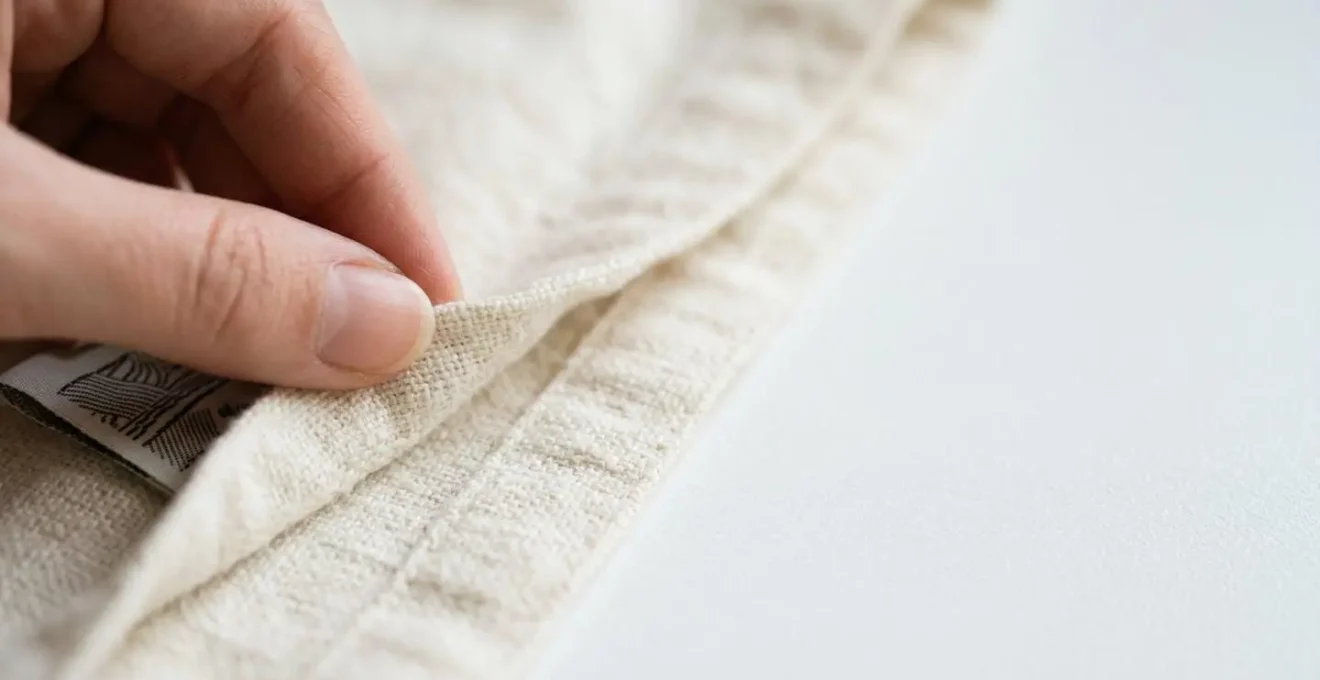
To become a more discerning shopper, you must engage your sense of touch. Learn the difference in feel between a 100% natural fiber like cotton or wool and a cheap synthetic. Feel the weight and drape of the fabric. A heavier-gauge knit or a denser weave often indicates better quality and a longer lifespan. Check the seams: are they straight, with a high stitch count? Or are they puckered and loose? These are the true indicators of value. A well-constructed garment from an unknown brand will always be a better investment than a poorly made item with a famous logo.
The “Cheap Haul” Mistake That Costs More Per Wear Than Luxury
The low price tag of fast fashion is a powerful illusion. It creates a false sense of economy, encouraging a “haul” mentality where quantity feels like a victory. However, the true cost of a garment isn’t its purchase price; it’s the Cost Per Wear (CPW). This simple calculation—dividing the price of an item by the number of times you wear it—reveals the flawed logic of buying cheap. As sustainable fashion research demonstrates, a £15 fast fashion dress worn only twice has a CPW of £7.50, while a £60 quality dress worn 20 times has a CPW of just £3.
This “cheap haul” ultimately costs more, both financially and mentally. A closet crammed with low-quality, ill-fitting items leads to decision fatigue and a constant feeling of dissatisfaction. The image below is a metaphor for this state: a hand hesitating before a chaotic, overstuffed closet, where more choice leads to less clarity.
To make truly informed financial decisions, we need to upgrade the basic CPW formula. A “CPW 2.0” or “True Cost of Ownership” calculation provides a much more accurate picture by including the hidden costs and potential value of a garment over its entire lifecycle. This strategic approach turns a simple purchase into a calculated investment.
Action Plan: Calculating the True Cost of Ownership
- Calculate Base CPW: Start by dividing the purchase price by the realistic number of times you’ll wear the item (e.g., $200 jacket ÷ 50 wears = $4 base CPW).
- Add Maintenance Costs: Factor in the lifetime upkeep. Include estimated costs for dry cleaning, shoe resoling, alterations, and any specialized care products required.
- Factor in Upfront Tailoring: Add the initial alteration costs (like hemming or taking in seams) to the purchase price before you divide by the number of wears.
- Consider Resale Value: If the item is a classic piece from a quality brand, you can subtract its potential resale value. Well-maintained luxury items can often retain 30-70% of their original price.
- Calculate True CPW: Use the full formula: (Purchase Price + Total Maintenance – Resale Value) ÷ Total Wears. This gives you the complete financial picture of garment ownership.
When to Buy Winter Coats: The Best Month for Investment Pieces?
Strategic timing is a key element of building a high-quality wardrobe without paying full price. For significant investment pieces like a winter coat, understanding the annual retail calendar can lead to substantial savings and better choices. Buying a coat in October out of necessity is a reactive purchase; buying it in late January is a strategic acquisition. Knowing when to shop allows you to acquire superior quality at a fraction of the cost, freeing up your budget for other well-considered pieces.
The retail cycle for outerwear follows a predictable pattern of new arrivals, promotional sales, and deep clearance. Full-price collections with the best selection and size availability typically drop in late summer. Black Friday offers discounts, but they are often on inflated prices or lower-tier items. The real sweet spot for investment pieces is the post-holiday clearance window, when retailers are desperate to clear out seasonal stock to make room for spring collections. This is when you can find genuine markdowns of 50% or more on high-quality, timeless coats that will last for years.
The following table breaks down the annual retail calendar for outerwear, helping you identify the optimal time to make your investment based on your priorities—be it selection, price, or a balance of both. Planning your purchase according to this schedule is a hallmark of a true wardrobe architect.
| Month/Period | Retail Activity | Price Point | Quality/Selection | Best For |
|---|---|---|---|---|
| August | Pre-season collection drops | Full price | Highest quality, full size runs | Must-have statement pieces you’ll wear for years |
| November (Black Friday) | Marketing-driven sales | 20-40% off (often inflated) | Mixed; quality pieces sell out fast | Mid-tier brands if you know exactly what you want |
| Late January – March | True clearance window | 50-70% off genuine markdown | Good quality remains, limited sizes | Best value for investment pieces if your size available |
| June-July | End-of-season final clearance | 70-80% off | Very limited selection and sizes | Previous season’s styles, high risk/reward |
Why Tailoring a $50 Jacket Looks Better Than Buying a $500 Designer Brand?
One of the most powerful, yet often overlooked, secrets of impeccable style is the transformative power of tailoring. We are conditioned to believe that a high price tag and a designer logo are synonymous with a better look, but this is fundamentally untrue. An inexpensive garment tailored to fit your body perfectly will always look more luxurious and sophisticated than a high-end piece worn straight off the rack. The key is shifting your focus from brand prestige to what truly matters: silhouette integrity.
Fit is the architecture of an outfit. It dictates how a garment drapes, moves, and complements your unique proportions. A designer’s vision is based on a standard fit model, which rarely matches the diversity of real bodies. As style and fit experts from Investment Fashion Analysis note, this is where tailoring becomes essential:
The power of the silhouette is more crucial than brand name—tailoring alters the fundamental lines and drape of a garment to complement your specific body architecture.
– Style and Fit Experts, Investment Fashion Analysis
This insight is revolutionary. It means that a significant portion of your clothing budget should be allocated not to the initial purchase, but to the final-stage perfection of the fit. A simple $15 hemming job can make a pair of trousers look bespoke. Taking in the waist of a blazer for $30 can create a sharp, defined silhouette that no off-the-rack item can replicate. This small, post-purchase investment yields an exponential return in style, confidence, and the overall perceived value of your wardrobe.
How to Calculate Your Small Business Carbon Footprint Without Hiring a Consultant?
While this question is framed for a business, the underlying logic is a powerful tool for you as a conscious consumer. To navigate the complex world of sustainable fashion, you must develop “greenwashing literacy”—the ability to critically assess a brand’s environmental claims. Brands that are serious about their impact are transparent about how they measure it. Understanding the basics of carbon footprinting allows you to separate genuine commitment from hollow marketing. The stakes are high; a recent U.S. government report reveals that the fashion industry produces nearly 10% of global greenhouse gas emissions.
When a brand makes a claim like “carbon neutral” or “climate positive,” a savvy consumer knows to ask probing questions. True transparency goes beyond vague statements. It involves detailed, verifiable data across a brand’s entire operation, from raw material sourcing to the energy used in their corporate offices. The most significant emissions (often over 90%) occur in the supply chain (Scope 3 emissions), an area many brands conveniently ignore in their reporting.
Instead of hiring a consultant, you can use a consultant’s mindset. Arm yourself with these three critical questions, inspired by analysis from Greenpeace, to vet any fashion brand’s environmental promises:
- Question 1: Is the data transparent and third-party verified? Look for specific emissions numbers and certifications from respected bodies like the Science Based Targets initiative (SBTi) or B Corp. Vague promises without data are a red flag.
- Question 2: Do their carbon offset claims cover the entire supply chain? Ask if their “carbon neutrality” only applies to their direct operations (like headquarters and retail stores) or if it includes the far larger impact of manufacturing, shipping, and materials.
- Question 3: Is the brand fundamentally reducing production volume? The most effective climate commitment is to make fewer clothes. A brand that continues to push overproduction while simply planting trees to “offset” its impact is not addressing the root problem.
By asking these questions, you hold brands accountable and make choices based on real action, not just marketing. This is the ultimate expression of consumer power in the fight for a more sustainable industry.
Key Takeaways
- Micro-trends are the primary driver of fashion waste, intentionally designed for rapid consumption and disposal, not longevity.
- A garment’s true value lies in its material quality and silhouette integrity, which have a far greater impact on style than brand logos or fleeting trends.
- A perfect, tailored fit is the ultimate luxury; it offers more visual impact and long-term value than an expensive, ill-fitting designer piece.
Why Tailoring a $50 Jacket Looks Better Than Buying a $500 Designer Brand?
Having established that fit trumps brand, the practical application of this knowledge is what builds a truly superior wardrobe. The visual difference between a garment that “sort of fits” and one that is tailored to your body is not subtle; it is dramatic. A tailored piece communicates intention, confidence, and an understanding of personal style that no logo can buy. It is the secret language of the well-dressed.
Consider the common fit problems of an off-the-rack jacket: sleeves are a centimeter too long, the shoulders are slightly too wide, and the waist lacks definition. These minor imperfections collectively create a look of sloppiness. Now, imagine that same $50 jacket after a visit to a tailor. The sleeves are shortened to reveal the perfect amount of cuff, darts are added to the back to contour the waist, and the shoulders are adjusted to sit squarely. The jacket is transformed. It now has structural integrity and creates a clean, powerful line. This meticulous attention to detail is what we subconsciously register as “expensive” and “stylish.”
Finding a good tailor is as important as finding a good brand. Look for local tailors with strong online reviews, and don’t be afraid to start with a small, low-risk alteration to test their skills. When you go for a fitting, be specific. Wear the shoes you would normally pair with the garment and clearly communicate your goals. A good tailor is a collaborator. They can suggest improvements you may not have considered, like raising the armholes for better movement or slimming the sleeves for a more modern silhouette. This partnership is a long-term investment in your wardrobe’s overall quality and your personal presentation.
The next logical step is to apply this critical lens to your own closet and future purchases. Begin your ‘trend autopsy’ today and start the rewarding process of building a wardrobe that truly reflects your style, your values, and your commitment to sustainability.